
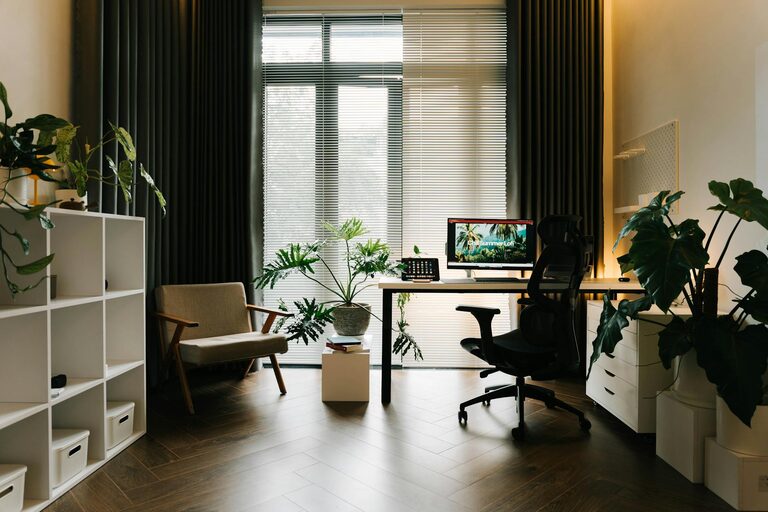
Creating a relaxing home workspace is essential for anyone looking to improve productivity and maintain a healthy work-life balance. Whether you work remotely full-time or occasionally need a quiet spot for personal projects, your environment plays a crucial role in your focus and mood. In this post, we’ll explore practical tips to help you design a calming and efficient workspace at home.
Why a Relaxing Workspace Matters
A well-designed workspace doesn’t just make your work easier—it can also reduce stress, prevent burnout, and boost creativity. When your work area feels inviting and comfortable, you’re more likely to feel motivated and able to concentrate for longer periods. On the other hand, clutter and distractions can lead to frustration and lower productivity.
Choose the Right Location
Start by selecting the best spot in your home for your workspace:
– Quiet and Private: Look for a corner or room where you won’t be easily disturbed by family members, pets, or household noise.
– Natural Light: If possible, position your desk near a window to take advantage of daylight. Natural light helps to regulate your body clock and lifts your mood.
– Ventilation: Fresh air can help keep your mind sharp—choose a place with good airflow.
Invest in Comfortable and Functional Furniture
Your furniture choices make a big difference in how you feel throughout the day.
– Ergonomic Chair: A supportive chair can prevent back pain and keep you comfortable during long work sessions.
– Desk at an Appropriate Height: Your desk should allow your arms to rest comfortably with elbows at about a 90-degree angle.
– Adjustable Options: Standing desks or those with adjustable heights can add variety and reduce the strain from sitting too long.
Keep It Organized and Clutter-Free
An organized workspace reduces stress and wastes less time searching for items.
– Storage Solutions: Use shelves, drawers, or organizers to keep supplies tidy.
– Minimal Decor: Limit decorations to a few meaningful items that inspire you without cluttering the desk.
– Cable Management: Tidy up any cords with clips or cable covers to avoid a tangled mess.
Use Soothing Colors and Decor
Colors and decor can influence your mood and focus.
– Neutral or Soft Tones: Light blues, greens, or earth tones tend to be calming and non-distracting.
– Personal Touches: Add plants, artwork, or photos that make the space pleasant but not overwhelming.
– Natural Elements: Incorporating wood finishes or greenery can create a peaceful atmosphere.
Create a Routine Around Your Workspace
Your workspace should signal that it’s time to work.
– Designate Use: Try to use your workspace only for productive activities, avoiding mixing in leisure activities.
– Start and End Rituals: Set routines to begin and finish your workday to help mentally separate work from relaxation.
– Take Breaks: Ensure your space encourages short breaks—perhaps a comfy chair nearby for brief rests.
Manage Lighting for Comfort
Good lighting reduces eye strain and helps set the right mood.
– Layered Lighting: Combine natural light with ambient overhead lighting and task lamps to have control over brightness levels.
– Adjustable Lamps: Desk lamps with dimming features allow you to customize light intensity depending on the time of day.
– Avoid Glare: Position screens and lights to minimize reflections and harsh glare.
Incorporate Technology Thoughtfully
While technology is essential, too much can become a distraction.
– Quality Equipment: Invest in a good keyboard, mouse, and headphones to improve comfort and focus.
– Limit Notifications: Use “Do Not Disturb” modes or apps that help reduce alerts during focus periods.
– Cable Management: As mentioned, keeping cables organized helps maintain a neat environment.
Add Elements to Reduce Stress
Consider items or habits that help you relax without taking you off task for too long.
– Aromatherapy: Essential oil diffusers with calming scents like lavender or eucalyptus can help create a soothing environment.
– Mindfulness Tools: Keep a small reminder to practice breathing exercises or short meditation breaks.
– Music or White Noise: Soft background sounds can drown out distractions and aid concentration.
Maintain Your Workspace Regularly
A relaxing workspace requires ongoing attention.
– Daily Tidying: Spend a few minutes at the end of the day clearing your desk.
– Seasonal Refresh: Update your space from time to time to keep it feeling fresh and inspiring.
– Evaluate Comfort: Make adjustments as necessary to furniture or lighting to meet changing needs.
—
Creating a relaxing home workspace is an investment in both your productivity and well-being. By thoughtfully selecting your location, furniture, colors, and organization systems, you can build an environment that supports your best work without sacrificing comfort. Take the time to personalize your space, maintain it, and integrate habits that reinforce focus and calm throughout your day. Your work — and your mind — will thank you.